A plasma is a gas so hot that its electrons and ions have been stripped away, forming a cloud of excited particles that emit light when they collide. 99.9% of the observable universe—stars, nebulae, comet tails—is glowing plasma. A bolt of lightning is plasma, as are neon signs and fluorescent lights. Plasma is both ordinary and extraordinary, which is why so many scientists, including those at the PSFC, are studying it.
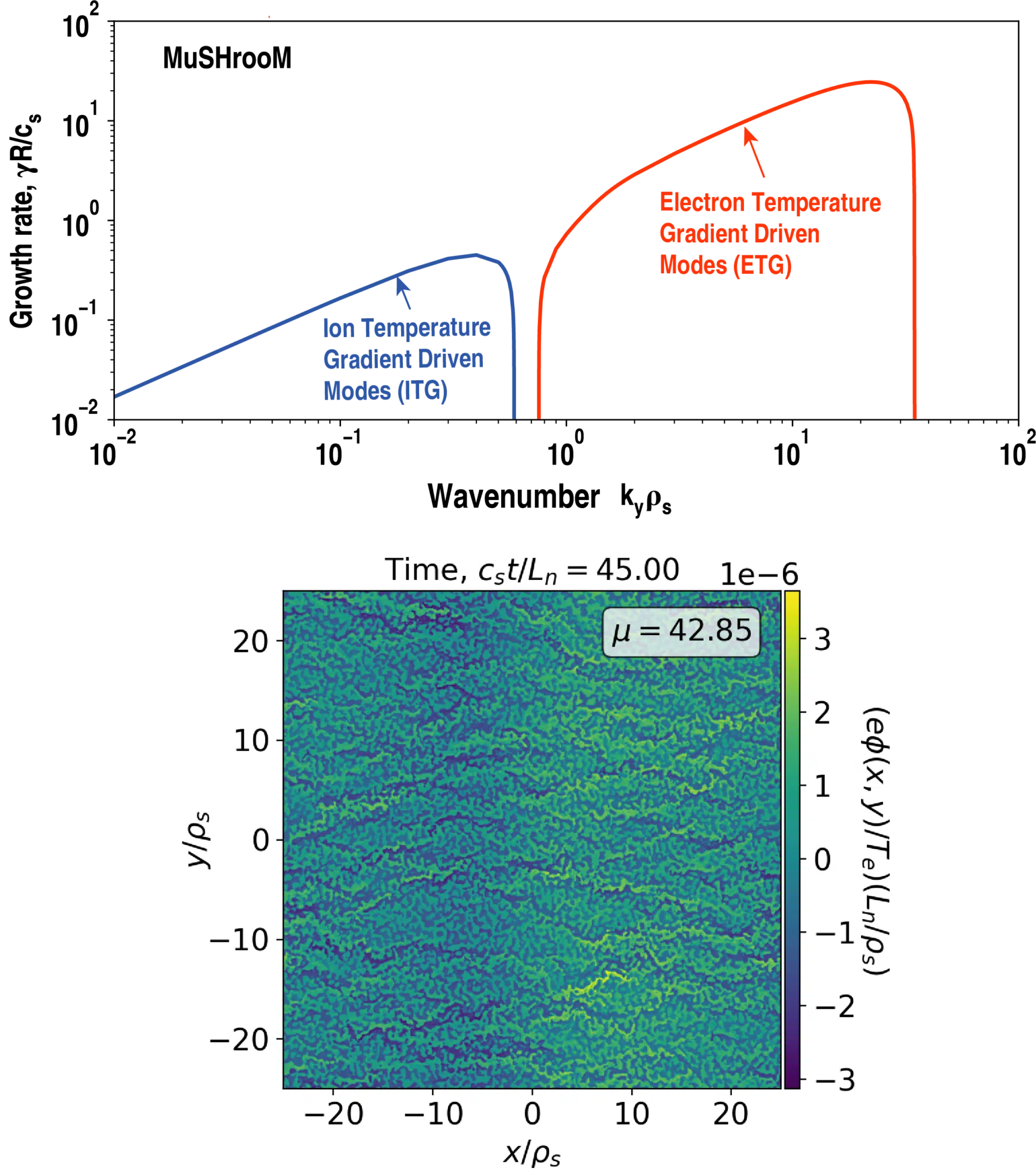
Plasma is also where fusion happens. At extremely high temperatures, plasma particles don’t just collide; they fuse, releasing massive amounts of energy. We create plasmas in labs, and we also use theoretical physics to model how plasma reacts under different conditions. With help from powerful quantum computers and AI tools, our researchers are revisiting plasma data to make new discoveries faster. From the secrets of the cosmos to fusion energy, plasma science has the answers.